


Alopecia Areata: Contagious or Just Genetic?

11 February 2026

Hair Experts @ AHS

Hair loss often starts quietly. You notice a small patch that is easy to brush off at first. Then the questions creep in: Will this go away? Could it get worse? Is my body trying to tell me something? Alopecia areata throws you off because it appears suddenly and doesn't look like the gradual hair loss you might expect.
For many people in India, it goes way beyond appearance. It shakes your confidence, affects how comfortable you feel around others, and can really mess with your emotions. Getting a clear picture of alopecia areata minus the myths and unnecessary panic is truly the first step toward feeling like yourself again.
This blog gets straight to the point with facts, draws on sound medical insight, and offers practical advice, all delivered with real empathy and honesty.
What Is Alopecia Areata?
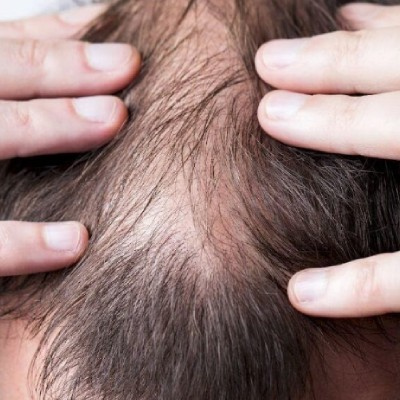
Alopecia areata is a condition where an immune system disrupts normal hair growth. Instead of supporting healthy follicles, the immune response interferes with them, leading to hair loss in alopecia areata. The result is usually round or irregular patches where hair stops growing.
Unlike other types of hair loss, this condition doesn't permanently harm your skin. The hair follicles are still there, which is why some people see their hair grow back. But when that happens and how much comes back really depends on the person.
Key Characteristics of Alopecia Areata

Recognising alopecia areata symptoms early allows individuals to seek informed medical advice instead of relying on speculation.
Causes of Alopecia Areata
There is no single trigger for alopecia areata. Instead, the condition develops through a combination of internal susceptibility and external influence.
Autoimmune Factors
The main thing driving alopecia areata is immune-related. Your immune system mistakenly tags hair follicles as invaders and temporarily shuts them down. That's why it's labelled as autoimmune hair loss, not something caused by poor grooming or surface-level issues.
Genetic Predisposition
Research shows a genetic link to alopecia areata. If autoimmune conditions run in your family, your chances of developing them could be higher. But here's the thing, genetics raises the possibility, they don't seal your fate.
Environmental Triggers and Stress
Environmental changes and prolonged stress can influence immune behaviour. While stress does not cause exactly alopecia areata, it may contribute to an immune imbalance, increasing the likelihood that patchy hair loss will become active.

Contributing Factors Overview

Is Alopecia Areata Contagious?
One of the most persistent fears surrounding this condition is the possibility of social transmission. To answer clearly: Is alopecia areata contagious? No.
You can't catch alopecia areata from touching someone, sharing their stuff, or just being near them. It's not caused by bacteria, fungi, or infections either. Understanding this helps cut through unnecessary awkwardness and distance, particularly at work or with family.
The Genetic Link in Alopecia Areata
The link between genetics and alopecia areata is there, but people often get it wrong. While genetic connections to alopecia areata do exist, they don't follow a predictable pattern. Some people get it without any family history at all, while others never develop it despite having the genetic risk.
Importantly, genetics do not determine outcome. Plenty of people go through stable stretches or even see regrowth, especially when they're following solid medical guidance and proven hair-loss treatment methods in India.
Diagnosis and Medical Advice
A professional figures out alopecia areata through an exam. They'll check how your hair's thinning, review your medical background, and cross off other possible causes of the hair loss.
Nutrition often enters the conversation. Sure, eating well helps keep your hair healthy overall, but let's be realistic here. Diet alone won't wake sleeping follicles or restore hair in already bald areas.
Why Early Diagnosis Matters

For people looking into more advanced routes, consultations at a reputable hair transplant clinic or specialised hair transplant centre in India can help determine whether pursuing further treatment makes sense.
Common Myths and Misconceptions
Alopecia areata gets buried under a lot of misinformation. Clearing up myths prevents stress and bad choices.

Understanding things clearly makes it easier to choose calmly and confidently.
Understanding Treatment Pathways and Support
When discussing alopecia areata treatment, the focus should be on what actually works, not what sounds perfect. How it's managed depends on how much hair you've lost, how stable your immune system is, and what you're comfortable with.
Some people look into Non-Surgical Hair Replacement, which can help restore fullness without going under the knife. Others could be good fits for surgical options like a hair transplant, though it really comes down to whether your follicles are healthy and stable enough.
More Indians are seeking out hair restoration surgery for reliable, lasting results. These methods typically complement a wider hair baldness treatment plan in India—they're not standalone miracle cures.
When clinically appropriate, modern techniques such as advanced hair implantation services are often used to achieve results that look truly natural. These choices usually emerge after a comprehensive assessment at a trusted hair transplant centre in India.
Choosing Informed Guidance in India
Hair loss decisions are deeply personal. Conflicting information online often adds confusion rather than clarity. Good, trustworthy guidance helps people see what's possible, where the limits are, and what fits their real expectations.
AHS India focuses on educating clients and keeping things transparent—not pushing sales. Through thoughtful consultations, people can explore options based on proven hair loss treatment practices in India, with genuine care for their emotional health and honest, achievable results.
A Thoughtful Path Forward with AHS India
Alopecia areata might shift how your hair acts, but it doesn't get to define who you are or how confident you feel. Knowing your immune system is driven by your genes and environment, can't spread to others, and involves both genetics and environment, helps you move forward with real clarity.
If you're looking for solid, informed guidance, reaching out to the specialists at AHS India can bring some perspective and peace of mind. The right support helps you handle your hair journey on your terms, with your dignity intact.
Disclaimer
This blog content is for informational purposes only and does not replace professional medical advice. Individual conditions vary, and decisions should always be made with qualified specialists.



Stay Updated
Subscribe to our email newsletter for helpful tips and valuable resourses
Be an influencer
Join forces with Advanced Hair Studio! Explore exciting collaboration opportunities tailored for influencers. Let's redefine haircare together.
Connect now
