


Can You Inherit Hair Loss? The Science Behind Genetic Baldness

09 February 2026

Hair Experts @ AHS

Many people worry about losing their hair and often ask questions like, "Can this be passed down?" Everyone knows hair loss tends to run in families, but what's really going on behind the scenes? If your folks or grandparents dealt with thinning hair, are you destined for the same outcome? Getting a handle on the science behind genetic baldness can calm your nerves and help you take control of your hair health. In this blog, we'll unpack the real story behind inherited hair loss, what triggers it from the start, and the practical steps you can take to deal with it.
Understanding Genetic Hair Loss
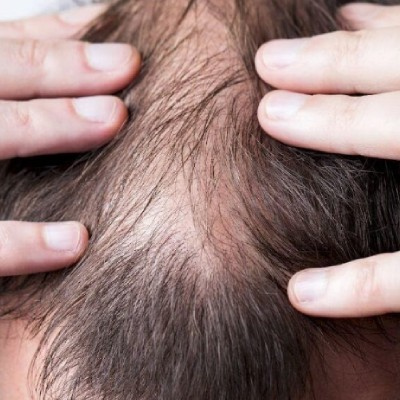
Genetic hair loss, also known as hereditary hair loss, occurs when individuals inherit certain traits from their parents that affect hair growth. Unlike temporary hair shedding that comes and goes, genetic hair loss is here to stay and slowly worsens over time.
Finding out that hair thinning runs in your family can actually bring some relief—at least you know why it's happening. But it also leaves you wondering: So what now? What can actually be done?
The Science Behind Inherited Hair Loss
The Role of Genes in Thinning and Hair Growth
Your genes mostly determine whether you will lose hair or go bald as you get older. There are 3 stages of hair growth: active growth, resting, and shedding. When someone is genetically bald, their follicles gradually shrink, leading to thinner hair. Follicles may stop producing hair, which can be seen at some point.
Interestingly, not all hair loss is caused by one gene. Instead, many genetic factors affect how your hair reacts to androgens (male hormones). These androgens alter hair follicles, increasing the likelihood of hair loss over time.
How Androgenetic Alopecia Is Passed Down
The most common type of hereditary hair loss is androgenetic alopecia—you probably know it as male or female pattern baldness. It's driven by androgens, the hormones that call the shots on hair growth.
Here's what's really interesting about androgenetic alopecia: how it travels through families. While you can inherit it from either parent, studies show that men typically inherit it from their mother's side. That's because the gene that makes hair follicles sensitive to androgens sits on the X chromosome—and guys only get that X from their mothers.
Male vs. Female Genetic Hair Loss Patterns
Both men and women experience hair loss, which typically manifests in quite different ways.
- Male Pattern Baldness: Men usually lose hair at the top of their heads or along their hairlines.
- Female Pattern Baldness: Women usually notice hair thinning across the scalp, particularly at the crown, while their hairline generally remains intact.
Surprisingly, female pattern hair loss often goes unnoticed or is blamed on other causes, leaving many women to put off the help they need. Recognising these differences can prompt you to take earlier action, helping you slow things down.
Key Statistics on Genetic Hair Loss

Understanding these patterns can help individuals recognise when they are most at risk, allowing them to take proactive steps earlier on.
Factors That Influence Your Genetic Risk
When it comes to hair loss, genes aren't the only factor. Genetic hair loss can be accelerated or slowed down by your lifestyle, hormonal changes, and even environmental factors.
Here is a summary of additional factors that influence the health of your hair:
- Stress: Long-term stress can accelerate hair loss, especially if you have a family history of it.
- Diet: Bad nutrition can weaken your hair, but it won't make you bald directly. Eating a balanced diet can help keep hair healthy.
- Hormones: Changes in hormones, like those that happen during pregnancy or menopause, can also make genetic hair loss worse.
Getting the complete picture helps you tackle every possible cause of hair loss, not just what's written in your genes.

Early Signs of Genetic Baldness
Taking charge of your hair health early on can really change the outcome. Watch out for these early warning signs of genetic baldness:
- Increased Shedding: A noticeable increase in the number of hairs lost while combing or showering.
- Widening Part: For women, a widening hair part could signal the beginning stages of thinning.
- Thinning Crown: Hair thinning at the crown or temples can be a sign of male pattern baldness.
If you notice these signs early, you can do something about them and find ways to treat hair loss before it gets worse.
Treatment Options for Genetic Hair Loss
Tackling genetic hair loss might feel overwhelming at first, but here's the bright side: real, workable solutions exist, and they're accessible. Because no two people lose hair the same way, here are the tried-and-true methods that consistently help:
Non-Surgical Hair Replacement
Non-surgical hair systems are a go-to option for plenty of people who want a fuller head of hair without going under the knife. These systems deliver natural-looking results, especially when they're custom-made to blend seamlessly with your own hair.
Hair Regrowth Treatments
If your hair follicles are still active, some treatments may help to encourage hair regrowth. Options such as topical solutions or medications are used to support hair growth and slow thinning.
Professional Guidance
By setting up a one-on-one meeting with an expert, you can determine the best course of action. At Advanced Hair Studio India, professionals will provide a comprehensive consultation and create a tailored plan for you. This makes sure you get the best solution for results that last.

When to See a Hair Specialist
Getting professional help the moment you spot hair thinning really matters. The longer you wait, the fewer options you'll have, and reversing the damage becomes that much tougher.
Sitting down with a hair specialist helps you pinpoint exactly why you're losing hair and discover treatment plans tailored to your specific situation. Whether you're considering non-surgical hair replacement or giving a hair regrowth treatment a shot, a professional can cut through the confusion and steer you toward what'll actually work for you.
Understanding and Managing Your Genetic Hair Loss Risk
Genetic hair loss doesn't need to keep you up at night or leave you feeling lost. When you understand what's actually happening and know what hair treatments are out there, you can tackle hair thinning head-on without the worry.
Whether you're facing male pattern baldness, female pattern hair loss, or hereditary thinning that runs in your family, jumping on it early can truly change the game. Talk to the pros and figure out which solution fits your situation.
Disclaimer
This blog is for informational purposes only. The content must not be considered medical advice. Results may vary, and it is recommended to consult a qualified hair specialist for personalised treatment recommendations.




Stay Updated
Subscribe to our email newsletter for helpful tips and valuable resourses
Be an influencer
Join forces with Advanced Hair Studio! Explore exciting collaboration opportunities tailored for influencers. Let's redefine haircare together.
Connect now
