


Hair Restoration Treatments Explained: Which Option Is Right for You?

15 April 2026

Hair Experts @ AHS

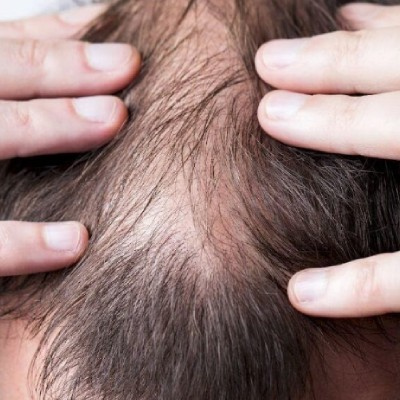
Hair loss tends to creep up quietly. A little extra shedding here, a slightly thinner crown there, and suddenly it's something you're thinking about every morning. If you've started looking into hair restoration, you've probably already discovered how confusing the options can be. Surgical versus non-surgical, medications versus laser therapy, permanent versus temporary solutions, it's a lot to sort through.
This blog is written to make that process simpler. Here's a clear, no-fluff breakdown of the main hair loss treatment options available today, what each one actually does, and how to figure out which direction makes sense for you.
Start With the Cause, Not the Cure
The single most common mistake people make when exploring hair regrowth solutions is jumping straight to a treatment without understanding what's driving the loss. Hair loss has many causes, and the right treatment depends entirely on which one applies to you.
The most frequently seen causes include:
- Androgenetic alopecia, the genetic form of hair loss that follows a progressive pattern in both men and women
- Nutritional deficiencies in iron, zinc, Vitamin D, or protein
- Hormonal changes related to thyroid function, postpartum recovery, or androgen sensitivity
- Chronic stress, which can push a large number of follicles into a resting phase simultaneously
- Scalp conditions or prolonged tension from certain hairstyles
A proper evaluation by a qualified specialist is not just helpful — it's what separates a treatment plan that works from one that wastes time and money.
Surgical Hair Restoration: FUE and FUT
Surgical hair restoration is the most permanent option for clients with moderate to advanced hair loss and a healthy donor area. Two methods are established, and their differences must exist.
Follicular Unit Extraction (FUE)
Individual follicles are harvested from donor region using a precise micro-punch tool and placed into the thinning regions of the scalp. There is no linear scar; recovery is relatively straightforward, and the results are long-lasting. FUE suits clients who want flexibility with short hairstyles and prefer a less visible recovery process.
Follicular Unit Transplantation (FUT)
Under FUT, a scalp strip is incised, the donor area is prepared, and the follicles are removed and implanted. This enables more follicles to be treated in a single session, making it a viable alternative for those who require extensive density restoration. It does create a linear scar, but it is usually covered by surrounding hair.
The two techniques involve transplanting genetically resistant follicles to the hormones that cause hair loss; hence, the results are said to be permanent. FUE or FUT is the right decision based on the extent of the loss, the quality of the donor area, and the client's long-term expectations.
Non-Surgical Hair Regrowth Solutions
Surgery is not the right fit for every person or every stage of hair loss.
Low-Level Laser Therapy (LLLT)
LLLT involves applying light of specific wavelengths to activate hair follicle cells. It is painless and non-invasive and has been demonstrated to delay hair loss and increase density slowly in those with early- to mid-stage thinning. It has also been extensively utilised as a post-transplant support therapy to increase regrowth.
PRP Therapy
Platelet-Rich Plasma therapy uses the client's own blood, processed to concentrate growth factors, which is then introduced into thinning areas of the scalp. PRP is most effective for diffuse thinning and early-stage androgenetic alopecia. It works best as part of a combined hair treatment plan rather than as a sole intervention for advanced loss.
Topical and Oral Medications
Clinically used formulations are a common and effective first step when hair loss is identified early. These require consistent, long-term use and should always be taken under the guidance of a qualified specialist.

Non-Surgical Hair Replacement
Non-surgical hair replacement is a viable option for clients who desire quick, noticeable results without surgery or waiting. The custom hair systems made of real hair, specifically designed to fit the scalp, give a full head of hair that looks like it did in the very first session.
This alternative does not regrow hair. What it does is give natural coverage that looks natural, stays with the existing hair, and is even strong enough to withstand day-to-day activities, such as exercise and styling. It needs regular servicing and professional attention to remain at its best.
Treatment Comparison at a Glance

Can Nutrition Alone Reverse Hair Loss?
This is one of the most frequently asked questions about hair regrowth, and the honest answer is no. Nutrition supports the health of existing follicles and can reduce shedding caused by deficiencies, but it cannot regrow hair in areas where follicles have already stopped functioning. Iron, biotin, zinc, protein, and Vitamin D are all relevant to hair health, and addressing deficiencies is worthwhile. It simply needs to be part of a broader plan, not a replacement for one.
How to Choose the Right Treatment for You
There is no single best hair restoration treatment that works for everyone. The right choice depends on a few honest considerations:
- How far has the hair loss progressed, and is it still active or relatively stable?
- Is surgery a realistic option given health, scalp condition, and donor area quality?
- How much time can realistically be committed to ongoing sessions or maintenance?
- Is the priority permanent regrowth, or is immediate coverage the more pressing need?
Specialists at clinics like Advanced Hair Studio India assess each factor individually before recommending a course of action. Their consultation-based model is structured around matching the right treatment to the right client, not fitting every case into the same solution.
The most valuable step anyone can take is booking a proper assessment rather than self-diagnosing from online content.
Closing Thoughts
Hair loss is personal, and so is the decision about how to address it. The range of hair restoration options available in India today is broader and more effective than ever, covering everything from surgical procedures to non-surgical therapies and immediate coverage solutions. Understanding how each one works makes it significantly easier to have a productive conversation with a specialist and walk away with a plan that actually fits your life.
Disclaimer: The content of this blog is intended for general informational purposes only and does not constitute medical advice. Hair loss causes, severity, and suitable treatments vary from individual to individual. Please consult a qualified hair specialist or trichologist before beginning any hair restoration or hair regrowth programme.



Stay Updated
Subscribe to our email newsletter for helpful tips and valuable resourses
Be an influencer
Join forces with Advanced Hair Studio! Explore exciting collaboration opportunities tailored for influencers. Let's redefine haircare together.
Connect now
